
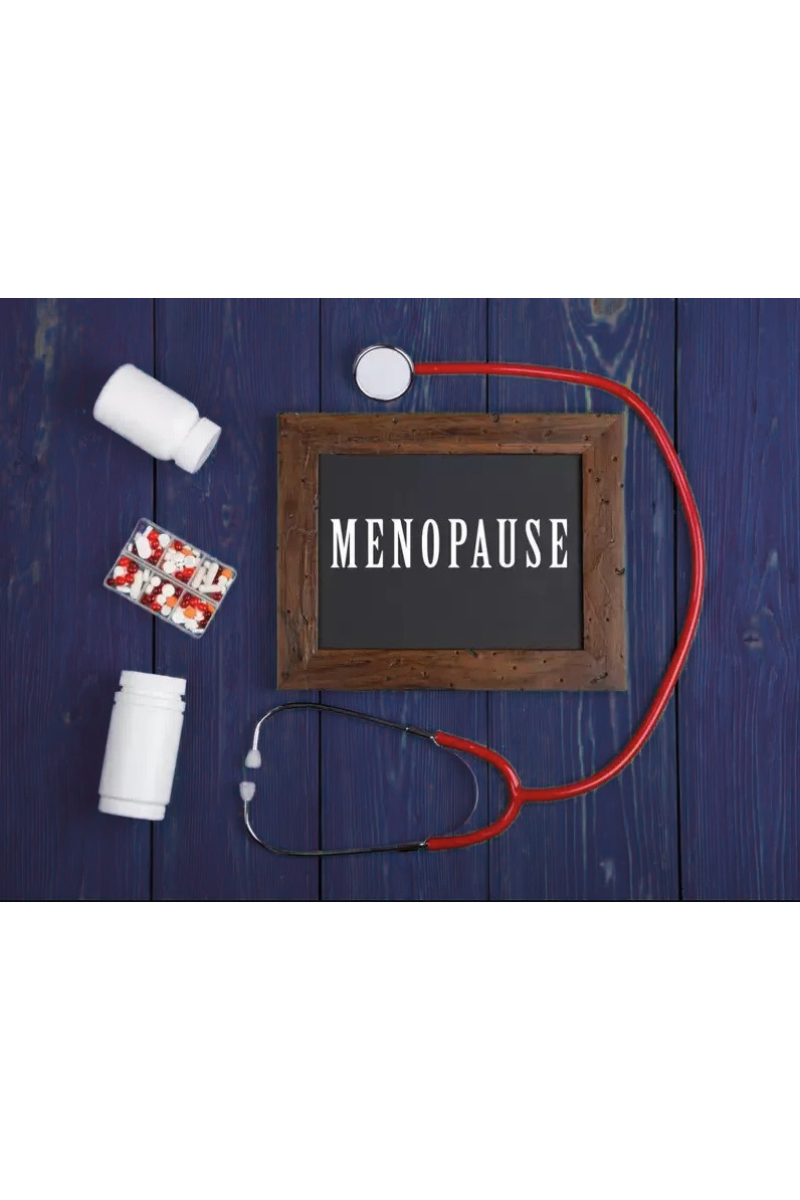
For the first time in UK history, menopause has been explicitly recognised in employment law through the Employment Rights Bill. Large employers will be legally required to introduce menopause action plans by 2027, while smaller firms are encouraged to follow suit.
Key changes in employment law
- The Employment Rights Bill names menopause directly in legislation, marking a fundamental shift in workplace equality
- Organisations with 250+ employees must publish menopause action plans by 2027. These plans should outline how they will support staff experiencing menopause, similar to gender pay gap reporting
- While not legally bound, smaller businesses are strongly encouraged to adopt voluntary measures, with government guidance available
Data released by HM Courts & Tribunals Service shows a sharp influx of filings:
- The Surge: In the first quarter (January to March) of 2025 alone, 204 tribunal claims cited menopause.
- The Comparison: This represents a massive 319% increase over the 64 early-stage claims filed in an equivalent period in 2022.
More worryingly, 10% (one in 10) are leaving their jobs, 14% are reducing their hours, and 8% are passing up promotions, according to a landmark Fawcett Society report, “Menopause and the Workplace”. When mapped onto the UK population at the time, that 10% equated to roughly 333,000 women.
Businesses are finding it harder to retain staff and fill vacancies in the current climate, so losing talented employees simply because they aren’t getting the support they need during this normal, expected life transition is tragic. The good news is, with the right knowledge and approach, it is very much avoidable.
Why is this happening?
Many women do not feel they can raise this with their employers. Almost half of the women who did raise it said nothing was done to support them.
Two in five women polled said they had seen menopause and their symptoms treated as a joke at work. Three in five said their symptoms had reduced their motivation at work, and 52% had lost confidence. For those women who had taken time off work due to the menopause, two in five cited anxiety or depression as the reason, as they did not want to admit it was due to the menopause.
Brain fog, lack of sleep, hot flushes, and low self-worth are just a few symptoms often at the heart of workplace banter; while many go along with it to save face, many report it has a more negative impact than they disclose.
Practical steps for business owners
- Audit current policies to check whether menopause is covered
- Prepare for reporting, particularly large companies ahead of the 2027 deadlines
- Train managers: Emphasis provides training both online and face to face to ensure line managers understand menopause symptoms and how to support their employees
- Communicate openly, create safe spaces for employees to discuss health issues without fear of stigma. Emphasis offers an independent Speak Up Service to allow your employees to talk to us in confidence
To find out more about our employment policy audit, help with reporting, management training or our Speak Up Service contact hello@emphasis.uk.com or call 01794 874232.
By Nicki Jones